
How AI Broke My Heart (and Then Helped Me Make Art)
This is not a eulogy. It’s a mixtape.

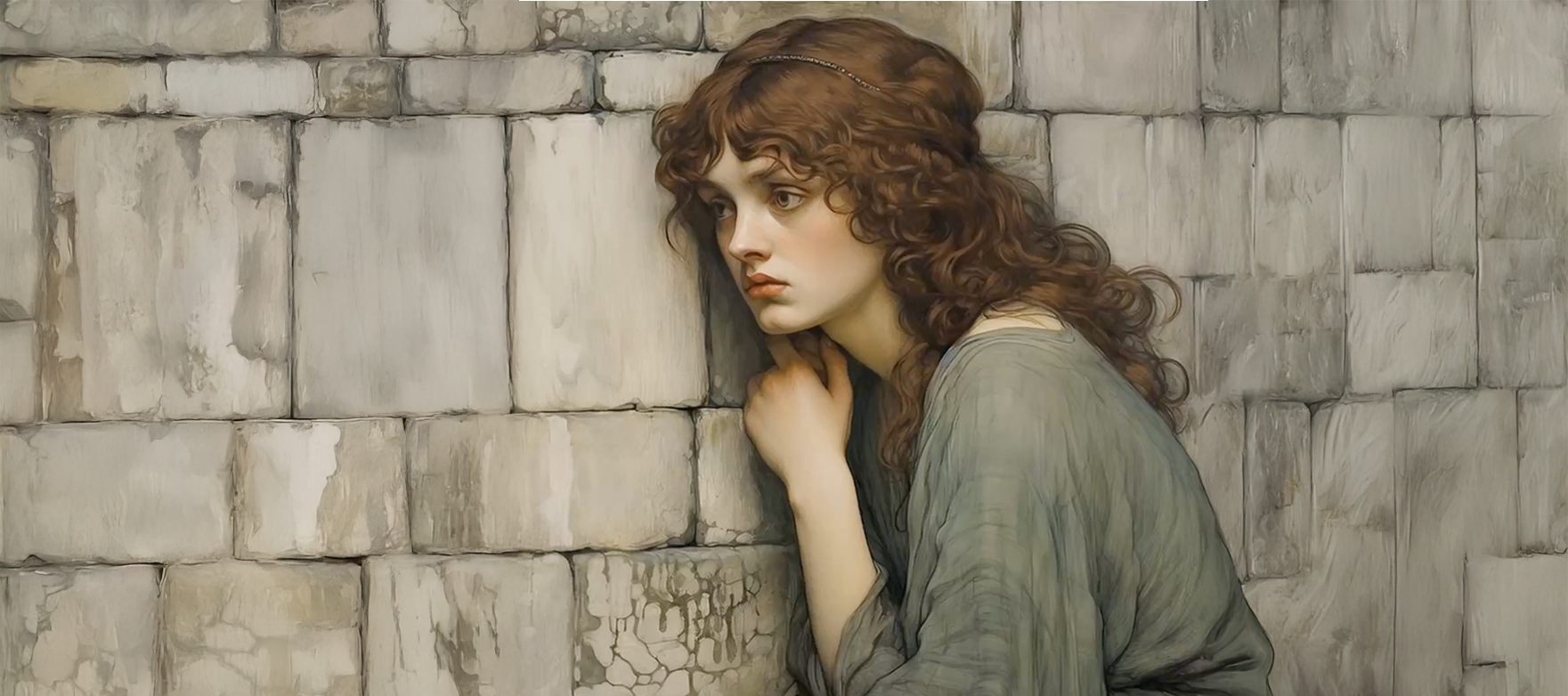
Picture it: late 2022.
I’m on the recliner with one leg up, multitasking across at least four apps. While waiting for my new batch of AI avatar pics from Lensa, I scroll through a graphic design Facebook group and stumble across a strange post:
A few highly stylized images and a caption that reads something like:
“I am an artist. I work with Midjourney and customize these images. They’re for sale. I’m open for commissions.”
The comments were chaos.
Illustrators were furious. Designers were confused. Other AI creators were shamelessly self-promoting.
Each day, I saw more and more posts like this, and I got nervous. It’s true I haven’t illustrated much in a long time, but those are my roots. That is how I became a graphic designer in the first place. And as the evidence piled up each week, it became increasingly clear that one of AI’s first casualties (or victims?) was creativity.
What were we going to do?
I spiraled into months of late-night terror, similar to the years when I was in debt and woke up in a cold sweat with the total dollar amount of my credit card debt racing through my mind.
AI was crushing me.
And every bit I researched it, the more it made me sick. It stole from artists, it scraped the internet and stole everything. Nothing was safe. And the ones profiting off it? Smug. Tech-bro confidence. They had “democratized design” for everyone.
My professional career of 20 years was ruined. I resigned myself to its death and began to post the eulogy to everything I loved with the idea that it would inevitably fade into ruin.
And yet, I was drawn to it.
I used it to turn older pictures of my family into elaborate illustrations with their hobbies and personalities as a stocking stuffer. And like many people on the internet, I have 5,000 pictures of myself in different time periods, hairstyles, and headshots.
I couldn’t deny that it was giving me a lot of joy and providing an easy outlet for ideas.
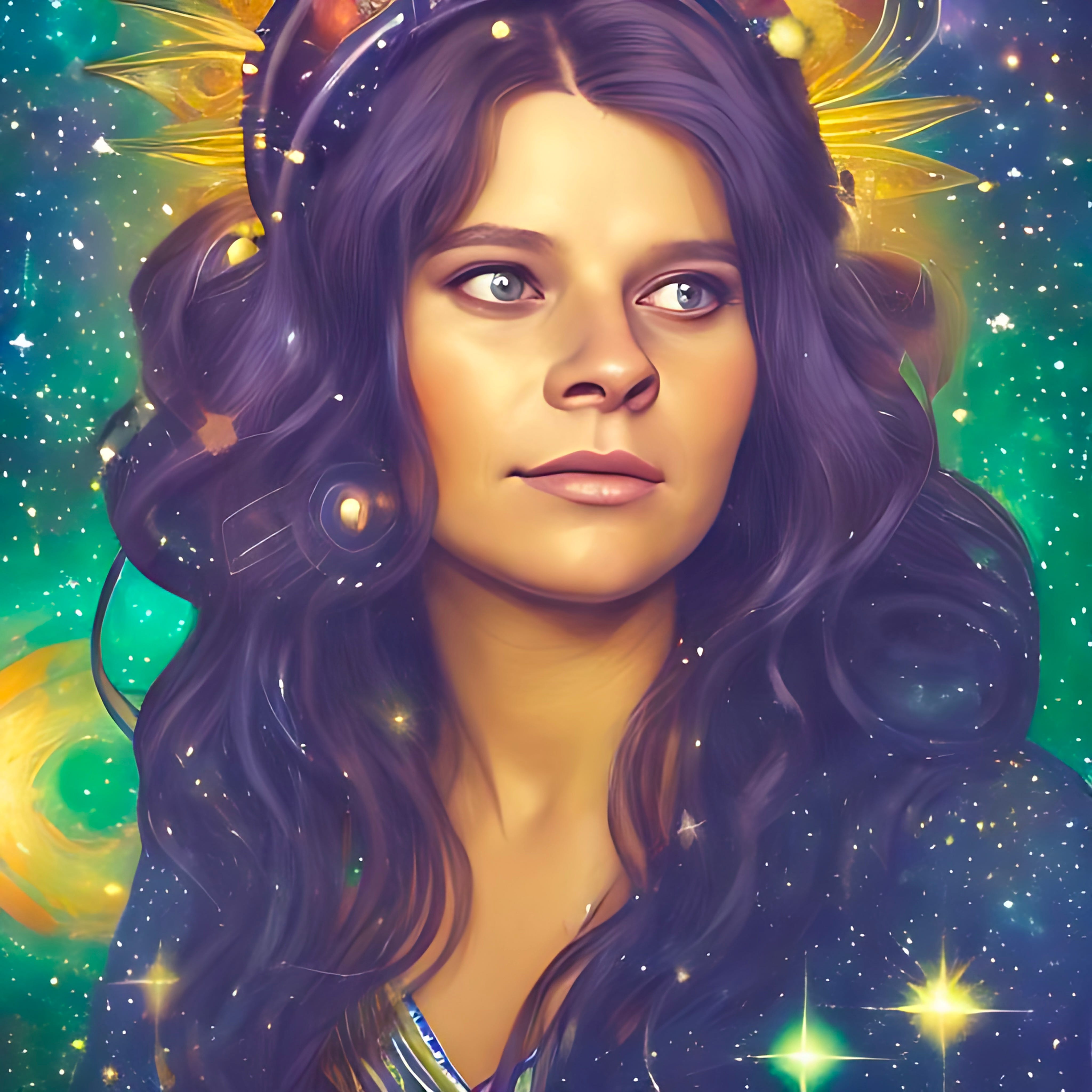
I am a huge music lover, particularly lyrics. I have notebooks, Post-its, and documents full of songs, lyrics, and ideas about how to illustrate them, dating back much farther than the introduction of generative AI to society.
For years, I thought about illustrating them, but my perfectionism always got in the way. That, dear reader, is why I ultimately put that part of me aside a long time ago.
When I showed my partner the Christmas gift I had prepared for family, and said,
“Well, I know AI is going to take my job, but at least it made some cool presents for me to give them,”
He said,
“Why can’t you look at this differently? Instead of worrying about what it is going to take from you, think about everything it can give you. What if it makes you more creative?”
I rolled my eyes. “You don’t understand.”
But it was me that didn’t understand.
My fear has never been about the program; it has always been about the worth people place on creativity, or lack thereof. About the fact that no matter how much you “democratize design/art/creativity,” there is something intangible and impossible to replicate from true creative genius.
And even if it’s not full-on genius, there is a talent and gift that comes naturally to some and eludes others.
That’s the magic.
I could choose to be afraid of this thing that may or may not strip me of the work I love, or I could find ways to use it to fill the gaps for weaknesses and let my mind truly run free.
In 2023, I quietly began a project pairing static AI images with song lyrics I love. I soon realized what a challenge it is to get Midjourney, Firefly, or any generative AI program to do what is in your mind.
You have to think of new ways to articulate things. So I work with it as a container of creative limitations and try to get as close as possible to my vision.
It became a collaboration.
Me: the director.
AI: the temperamental crew.
When the collaboration hits the mark, I feel a rush.


On January 1, 2025, I got more serious. I started a daily version of the project on a private account, then moved it to its own public space: @365songlyrics. One song a day. (Okay, I got a little behind during my Greece trip, but I’m catching up.)
It started as a sneaky way to force a playlist on my friends. But it’s become something much bigger.
It’s mine now.
It’s where I get to tell stories.
Where I get to merge the two things I love most: music and visuals.
If you’re curious, I’d love for you to follow along. I’ll be writing more soon about the stories behind the posts and how the process works.
🎧 Follow the project on Instagram:
@365songlyrics
🎵 Listen to the Apple Music playlist:
365 Songs No One Asked For
Not sure where to start? Here’s some of my favorites.
Who’s Gonna Ride Your Wild Horses - U2
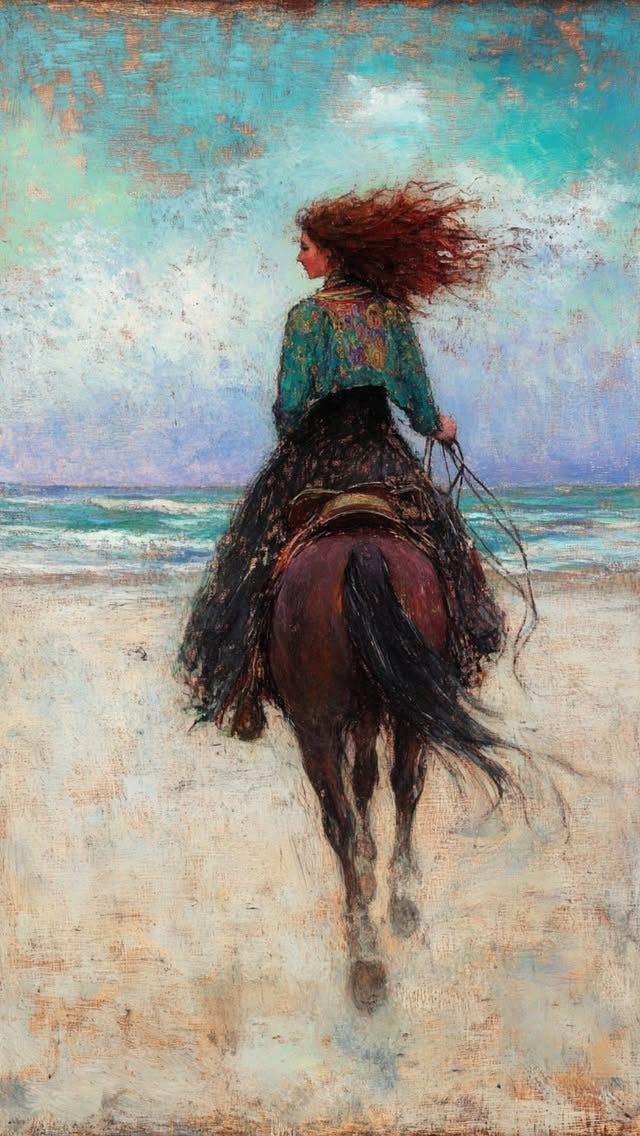
Wonderland - Taylor Swift
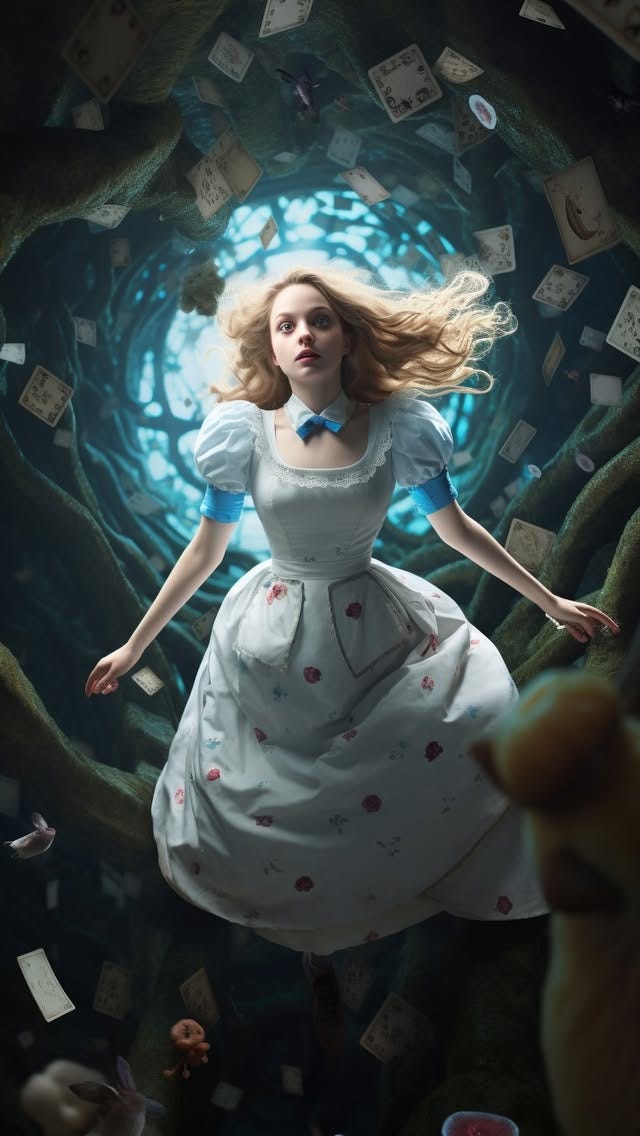
Sleep to Dream - Fiona Apple
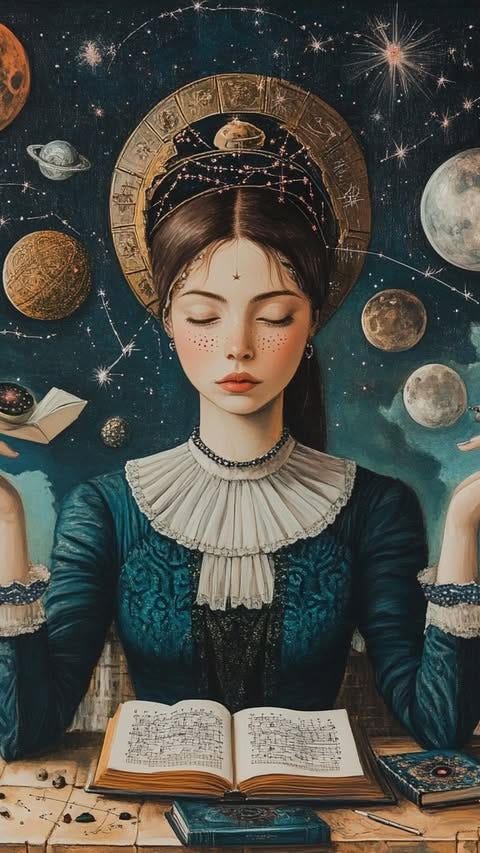
All I Really Want - Alanis Morissette
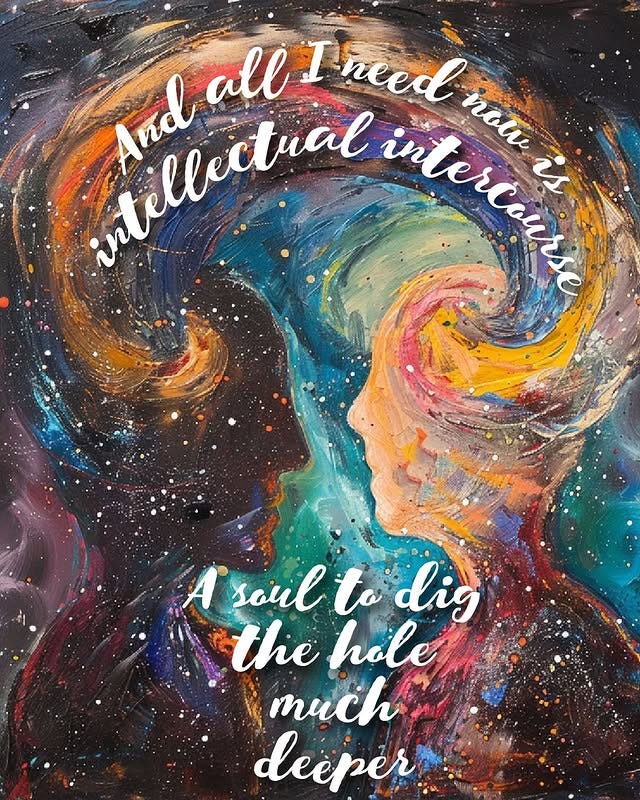
This video includes clips from a mixture of my reels, set to royalty-free music: Ruby Amanfu – “Painting a Picture.”
Hate my music choices? Love a particular post?
Yell at me about both.
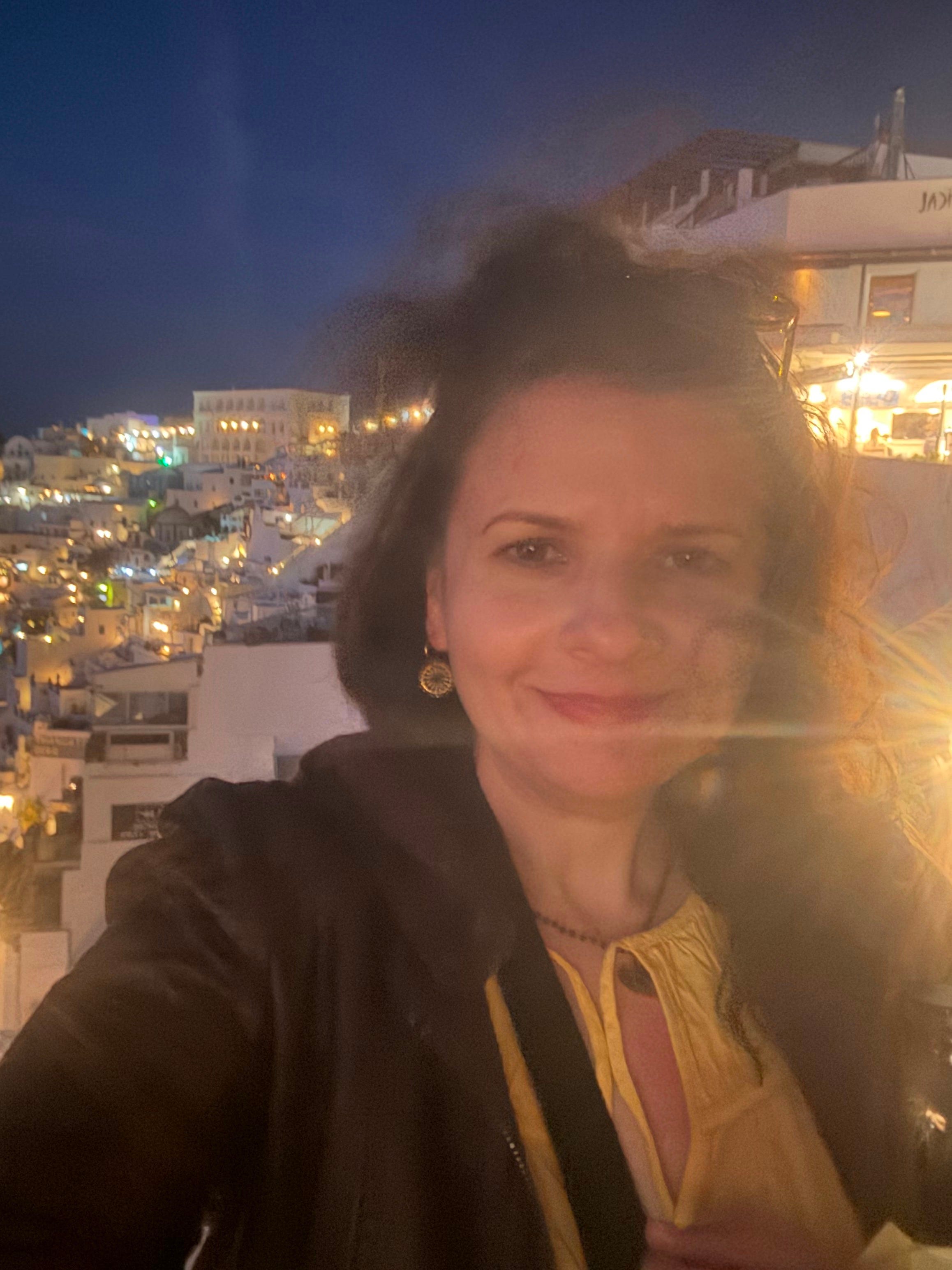
Casey Chafouleas is a creative director, designer, and the longtime organizer of the Tucson Adobe User Group. Since 2014, she’s hosted free design tutorials and conversations around creativity, tools, and design inspiration.
As the group evolves, so does this space — now expanding to include more personal creative projects, AI art experiments, and the occasional unsolicited playlist.
🎧 Follow the visual storytelling project: @365songlyrics
💼 Connect on LinkedIn: Casey Chafouleas
🧠 More design content and creative chaos coming soon.